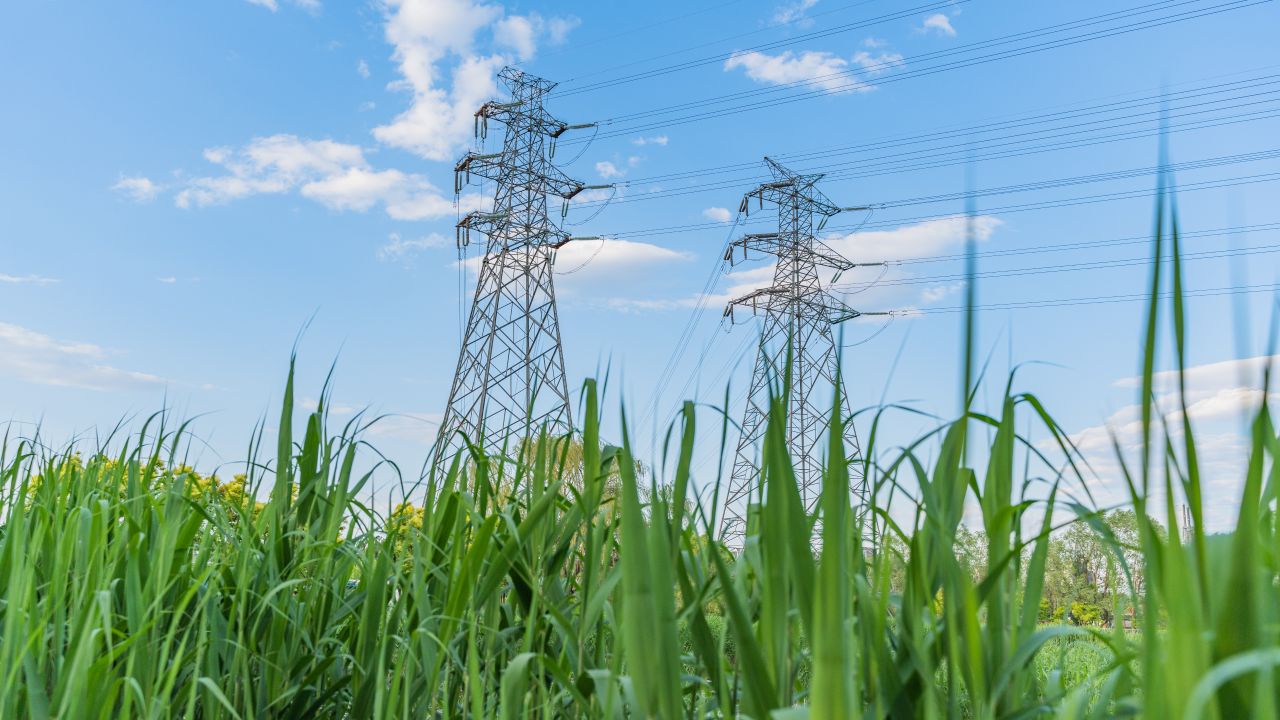
Indonesia is ramping up the production of plant-based energy as part of efforts to wean off imported fossil fuel. Photo credit: iStock/wenpu wang.
Indonesia’s easternmost region promises to become a bioenergy hub with the opening of the first bioethanol factory in Merauke in 2027.
Papua in eastern Indonesia has drawn up a plan to develop and shift to nearly 70% renewable energy sources by 2050. Currently dependent on imported fossil fuels, the region promises to become a bioenergy hub with the opening of the country’s first bioethanol factory in Merauke, South Papua province in 2027. The plant is expected to help not just Papua but the entire country from reducing oil imports and carbon emissions.
The Papua region is the farthest from the national capital, Jakarta, and considered the country’s most remote region. It is divided into four provinces—Papua Selatan (South Papua), Papua Tengah (Central Papua), Papua Pegunungan (Highland Papua), and Papua Barat Daya (Southwest Papua). More than half of the residents depend on agriculture for their livelihood.
In BIMP-EAGA, all four Papua provinces are included in the new East Economic Corridor (EEC), together with five other areas in eastern Indonesia—East Kalimantan, Maluku, North Maluku, North Sulawesi, and South Sulawesi. EEC will be developed as part of the planned expansion and reconfiguration of economic corridors in BIMP-EAGA, which seeks to widen, deepen, and integrate development efforts across the subregion and ensure inclusive growth. The new corridor is expected to create more economic opportunities for Papua and Maluku, which are among the most underdeveloped areas in eastern Indonesia, and accelerate investments in energy and other basic infrastructure.
Electrifying the region’s mountainous areas and isolated coastal zones has been challenging. State-owned electricity company PLN is targeting to reach 100% electrification in Papua by the end the of the decade, deploying off-grid and hybrid solutions to power more households.
Under its new Regional Energy Plan, Papua is eyeing “six bold renewable energy interventions: biomass co-firing, ammonia co-firing, a 113.85-megawatt de-dieselization program with solar power, hydrogen use in industries, electric vehicle expansion, and micro-hydro development.” The plan was developed with the Global Green Growth Institute (GGGI) through the Renewable Energy–Accelerated Transition/RE-ACT program, with funding from the New Zealand Ministry of Foreign Affairs and Trade. GGGI is a treaty-based international, inter-governmental organization based in Seoul, Republic of Korea.
In Merauke, the government has set aside 2 million hectares of land for the planting of sugarcane, which will serve as the raw material for bioethanol. The bioethanol factory is expected to have an annual capacity of 900,000 kiloliters.
Indonesia is ramping up the production of plant-based energy as part of efforts to wean off imported fossil fuel, which amounts to Rp520 trillion ($30 billion) per year. The country is targeting to produce 1.2 million kiloliters of bioethanol by 2030.
According to the International Energy Agency (IEA), biofuels, such as bioethanol, provide a low-carbon solution for decarbonizing the transport sector and “can often be used in existing engines with little to no modification.”
Indoneisa has put in place regulations that require the blending of biofuels with fossil fuels for the transport sector. It is currently implementing a 40% biodiesel blend mandate, using palm oil. The country is one of the top producers of palm oil. The target is to increase the mandate to 50% by 2026.
However, the current production of bioethanol is not enough to support the nationwide rollout of E5 (gasoline with 5% ethanol content).
Indonesia is counting on regions with vast agricultural lands, such as Papua, to produce ethanol feedstock from such crops as sugarcane, cassava, and corn. With the start of bioethanol production in Merauke in 2027, the government plans to also increase the bioethanol blend mandate to 10%.