Trade and Investment Facilitation

Trade and Investment Facilitation (BEV 2025)

BIMP-EAGA wants to lower barriers to trade and investment to boost cross-border trade and create a good investment environment.


Trade Facilitation

Cooperation in customs, immigration, quarantine, and security (CIQS) is integral to BIMP-EAGA’s goal of becoming a unified production hub that is deeply integrated into the regional and global economy. Over the years, the subregion has made progress in streamlining CIQS rules, regulations, and procedures to boost the efficiency of its trading systems. At the same time, the subregional cooperation program has sought to strike a balance between easing the cross-border flow of goods and people and augmenting border control measures.

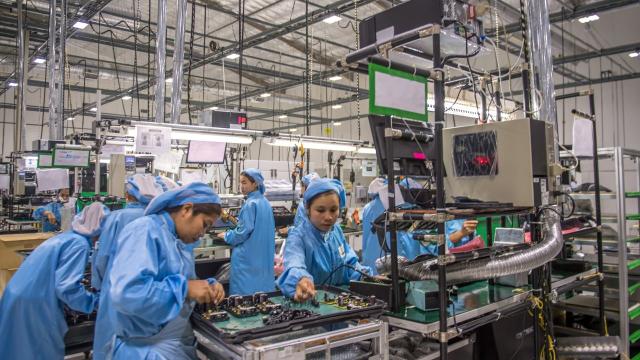
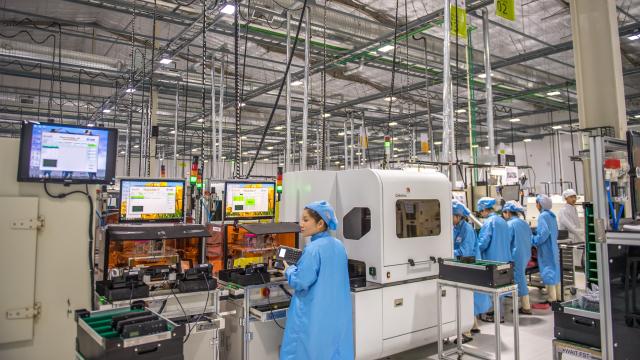
An electronics factory at a special economic zone in Southeast Asia. Photo credit: Asian Development Bank.

FDI Boosts Supply Chain Development in ASEAN

January 12, 2026

Foreign direct investment in supply-chain intensive industries and special economic zones continues to increase.
Southeast Asian economies saw better-than-expected export sales in the third quarter. Photo credit: ADB.

ADB Sees Higher Growth for Southeast Asia in 2025 and 2026

December 11, 2025

Growth forecasts for selected countries in the region, including BIMP-EAGA members—Indonesia, Malaysia, and the Philippines, were updated.
Savan Park Special Economic Zone in Savannakhet. Photo credit: ADB.

Special Economic Zones Can Supercharge Economic Corridor and Value Chain Development

August 06, 2025

ADB organized a 3-day workshop on “SEZs as Drivers of Economic Corridors and Value Chains” on 30 July to 1 August in Jakarta in partnership with the Coordinating Ministry for Economic Affairs of Indonesia.

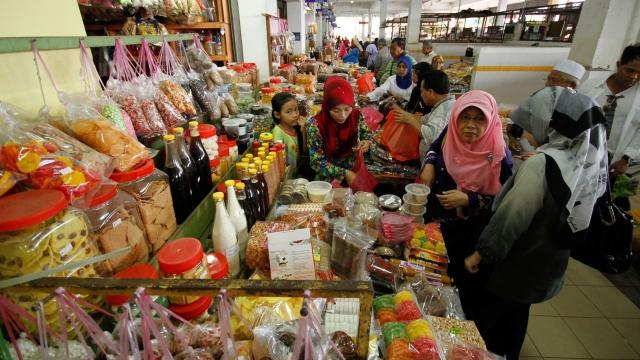
Woman looks at halal meat products at supermarket. Photo credit: iStock/LeoPatrizi.

Philippines Moves to Gain Foothold in Growing Halal Market

July 07, 2025

Mindanao, where majority of Muslim Filipinos live, is being developed as the country’s halal hub because of its proximity to large halal ecosystems.
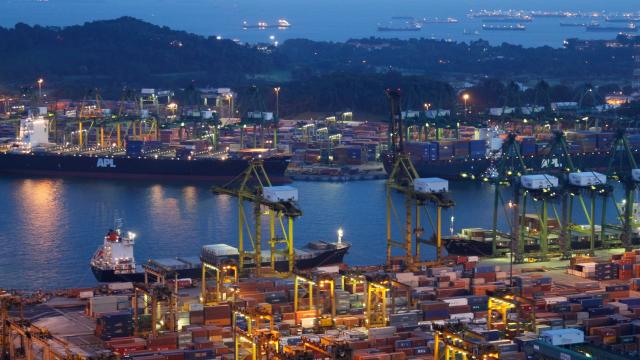
Workers at a container port.

Southeast Asia Leads Regional Integration in Asia as Subregional Programs Become More Integrated—ADB

July 03, 2025

Robust trade networks, solid financial linkages, and substantial movement of people across Asia credited for Southeast Asia's lead in regional integration.
The region is expected to become the 4th largest economy by 2050, with the industrial sector contributing 37.5%, or more than one-third, of the region’s economy. Photo credit: iStock/EyeEm Mobile GmbH.

ASEAN to Catalyze High-Impact Industrial Projects

June 17, 2025

Favorable macro-trends are creating an opportunity for ASEAN to accelerate industrial cooperation through regional complementarity.
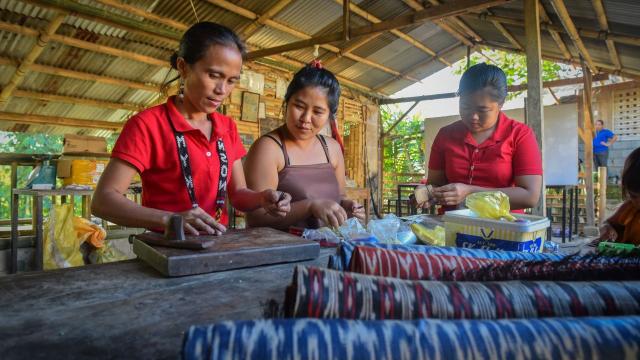
A woman roasting coffee beans in Indonesia.

Developing Growth Pathways for MSMEs in BIMP-EAGA

April 03, 2025

The cooperation program strives to enhance MSME competitiveness, specialization, and innovation through capacity building, market access, and digital tools.